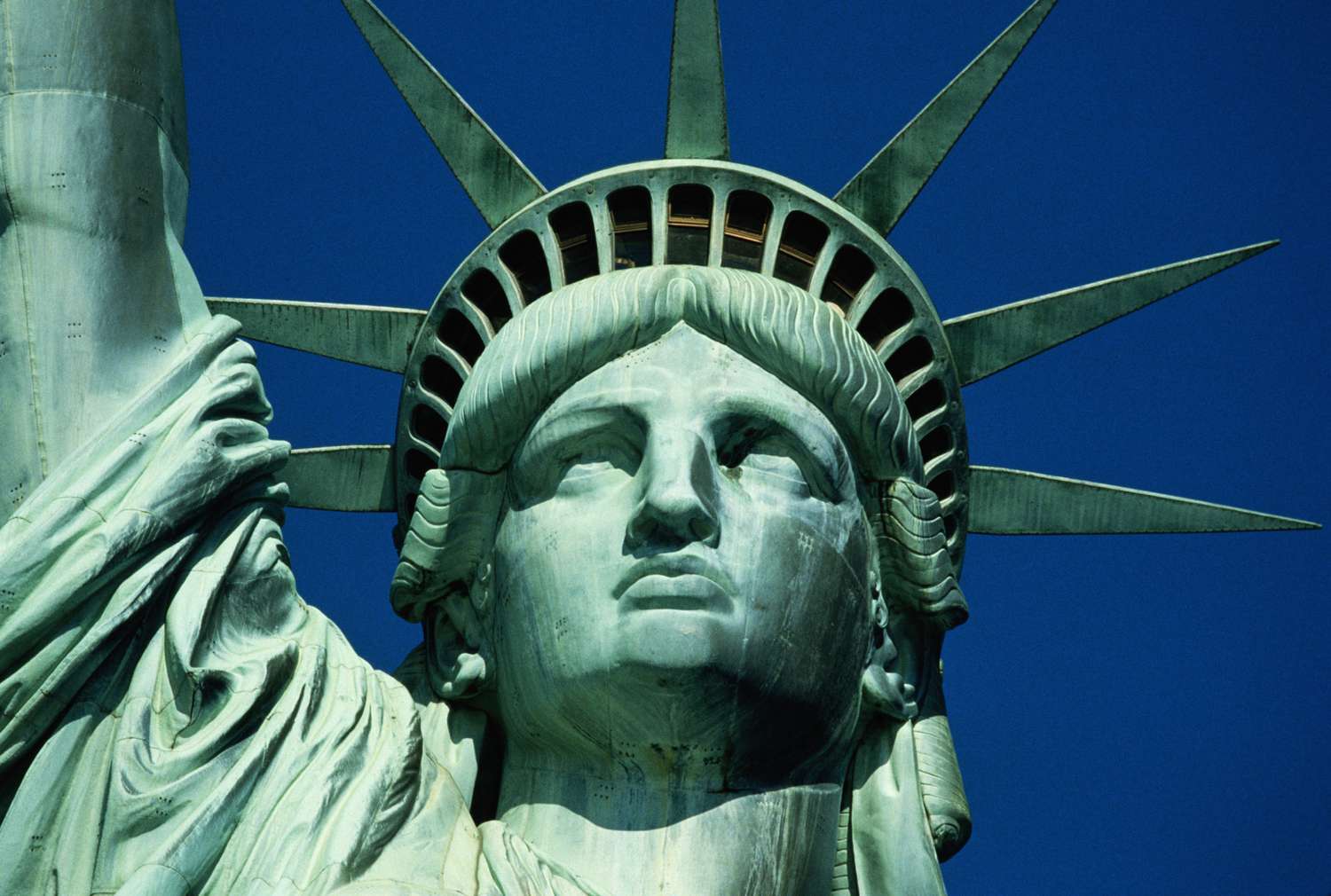
Famous Brazilian Catholic Statue
Christ The Redeemer
1. Historical Background: Christ the Redeemer was built in the early 20th century as a symbol of Christianity and a tribute to Brazil's Catholic heritage. The idea for the statue was first proposed in the 1850s, but it was not until the early 20th century that the project gained traction. Construction began in 1922 and was completed in 1931. 2. Design and Construction: The statue was designed by Brazilian engineer Heitor da Silva Costa and sculpted by French sculptor Paul Landowski. It stands at a height of 98 feet, with an additional 26 feet pedestal, making it one of the tallest statues of Jesus Christ in the world. The statue is made of reinforced concrete and soapstone, which was chosen for its durability and resistance to weathering. 3. Location: Christ the Redeemer is situated atop the Corcovado mountain in the Tijuca Forest National Park, overlooking the city of Rio de Janeiro. Its strategic location provides a panoramic view of the city and has made it one of the most recognizable landmarks in Brazil. 4. Symbolism: The statue symbolizes peace, love, and welcome. It is seen as a representation of Jesus Christ's open arms embracing all of humanity. The outstretched arms of the statue span 92 feet, symbolizing Christ's embrace of the world.

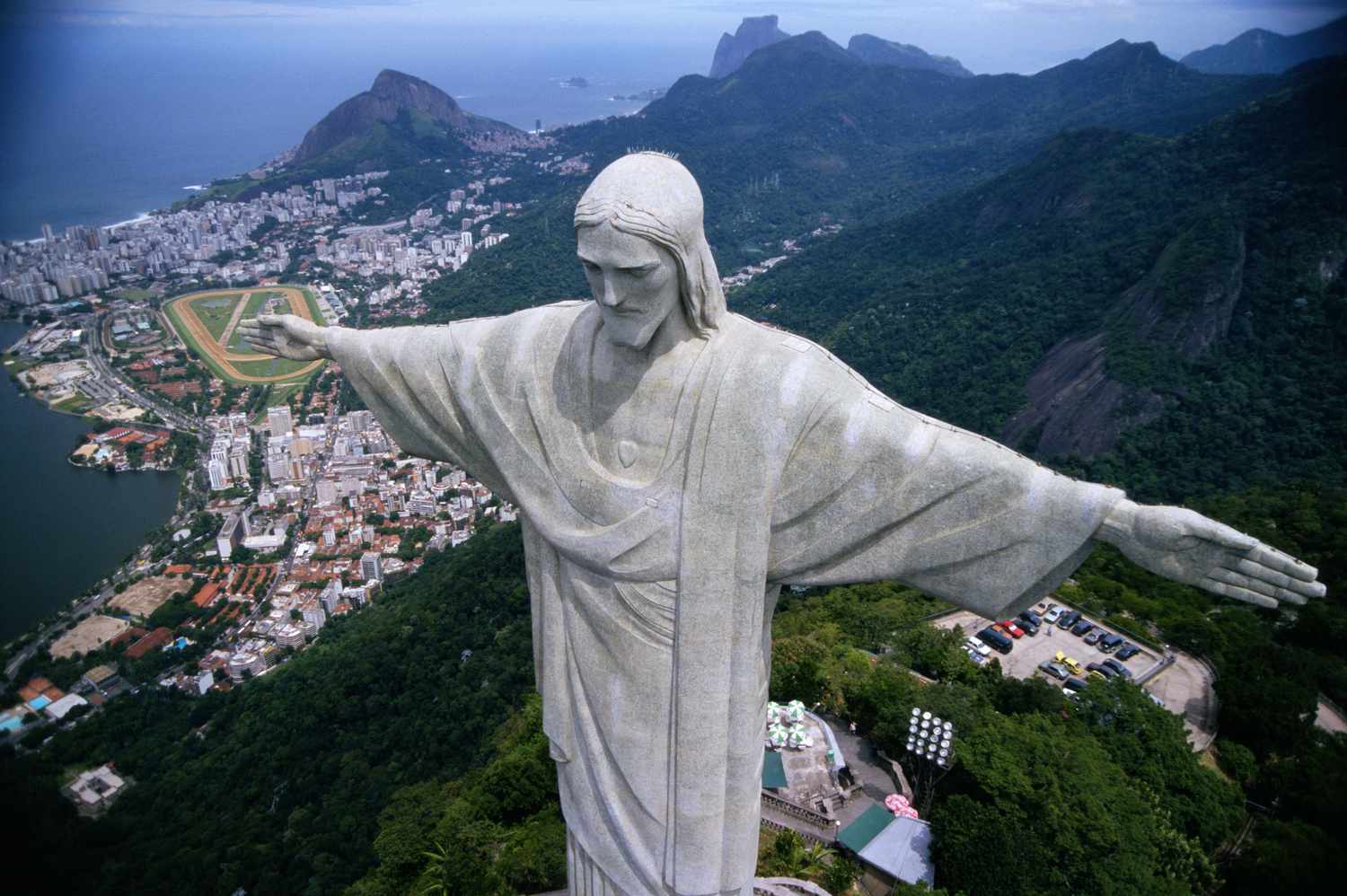
5. Cultural Significance: Christ the Redeemer has become an important cultural icon for Brazil and Rio de Janeiro. It is often associated with the city's vibrant carnival celebrations and is featured prominently in promotional materials for tourism in Brazil. The statue also serves as a symbol of unity and faith for Brazilians. 6. Accessibility: Visitors can reach Christ the Redeemer by taking a train or van up to the summit of Corcovado mountain. From there, they can climb a series of stairs or take an elevator to reach the statue. The site attracts millions of tourists each year, making it one of the most visited landmarks in Brazil. 7. Conservation and Restoration: Over the years, the statue has undergone several restoration projects to maintain its structural integrity and preserve its original appearance. These efforts have included cleaning the statue, repairing damage caused by weathering and erosion, and reinforcing the structure to withstand earthquakes and other natural disasters.
America's Iconic Symbol
The Statue Of Liberty
1. History: The Statue of Liberty, also known as "Liberty Enlightening the World," was a gift from France to the United States. It was designed by French sculptor Frédéric Auguste Bartholdi and its metal framework was built by Gustave Eiffel. The statue was dedicated on October 28, 1886, and it has since become a symbol of ho...