The Festival For Dogs
Kukur Tihar
1. Meaning and Significance: Kukur Tihar is a part of the larger Hindu festival known as Tihar or Deepavali, which is celebrated for five days. Kukur Tihar specifically honors dogs and their relationship with humans. It is believed to express gratitude to dogs for their loyalty, companionship, and role as guardians. 2. Festival Dates: Kukur Tihar takes place on the second day of Tihar, which aligns with the Hindu lunar calendar and usually falls in October or November each year. 3. Festivities and Worship: On Kukur Tihar, dogs are worshipped and adorned with flower garlands, tika (a vermilion mark), and colored powders on their foreheads. They are considered the earthly incarnation of the dog-faced deity, Shiva's helper. 4. Dogs as Messengers: According to Hindu mythology, dogs serve as messengers of Yamaraj, the God of Death. It is believed that they guard the gates to the afterlife and can guide the souls of the deceased.

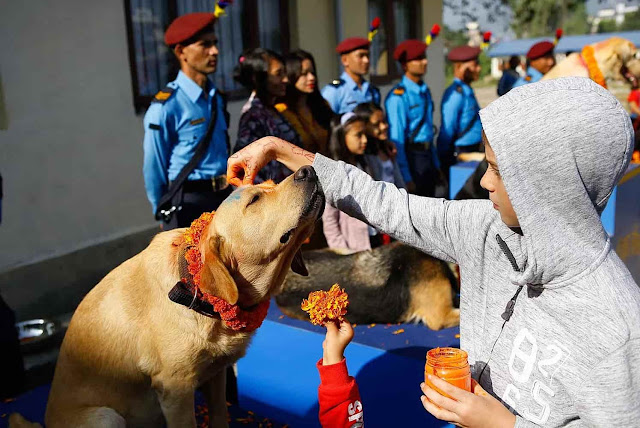
5. Treats and Feeding: Dogs are given special treats and delicacies on Kukur Tihar to honor and celebrate them. People offer plates of delicious food, including sweets and meat, to the dogs in their communities. It is common for individuals and families to feed and care for stray dogs during this festival. 6. Traditional Ceremonies: In some households, dogs are involved in traditional ceremonies. They are part of the oil-lamp lighting ritual, where individuals go around the house and light traditional oil lamps. Dogs are also present during the worship of Goddess Laxmi, the deity associated with wealth and prosperity. 7. Symbolic Meaning: Dogs are considered highly loyal and faithful companions, signifying unconditional love. They represent protection, loyalty, and the ability to guard against evil forces. Celebrating Kukur Tihar reinforces these values and shows appreciation for the special bond between humans and dogs. 8. Cultural Significance: Kukur Tihar is an integral part of Nepali culture and society. It reflects the deep respect and reverence for animals, particularly dogs, within the Hindu belief system. This festival highlights the importance of coexistence and the recognition of the roles animals play in people's lives.
The Naked City
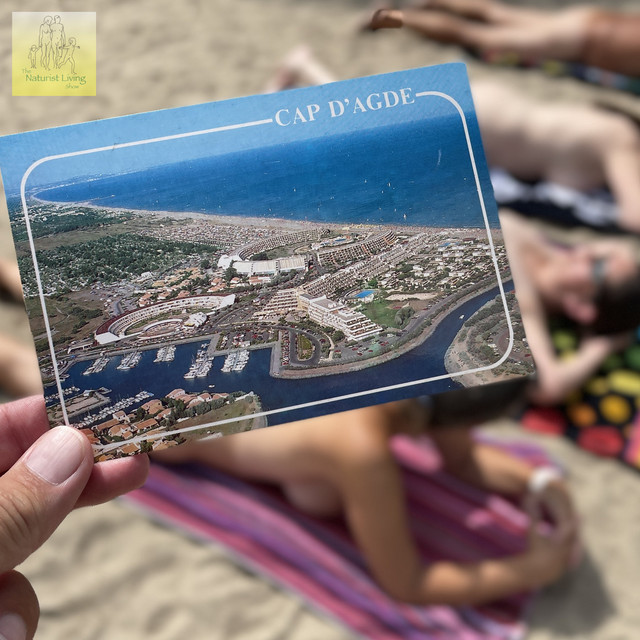
Cap d'Agde
1. Naturist Village: The nudist village in Cap d'Agde is a designated area where nudity is not only allowed but also the norm. It is one of the largest nudist resorts in the world and attracts thousands of nudist enthusiasts every year. The village is a self-contained community with shops, restaurants, bars, and various accommodations dedicated to naturist lifestyle. 2. History: The naturist village in Cap d'Agde dates back to the 1950s when it started to attract naturists looking for a place where they could enjoy the freedom of being nude in a welcoming environment. Over the y...