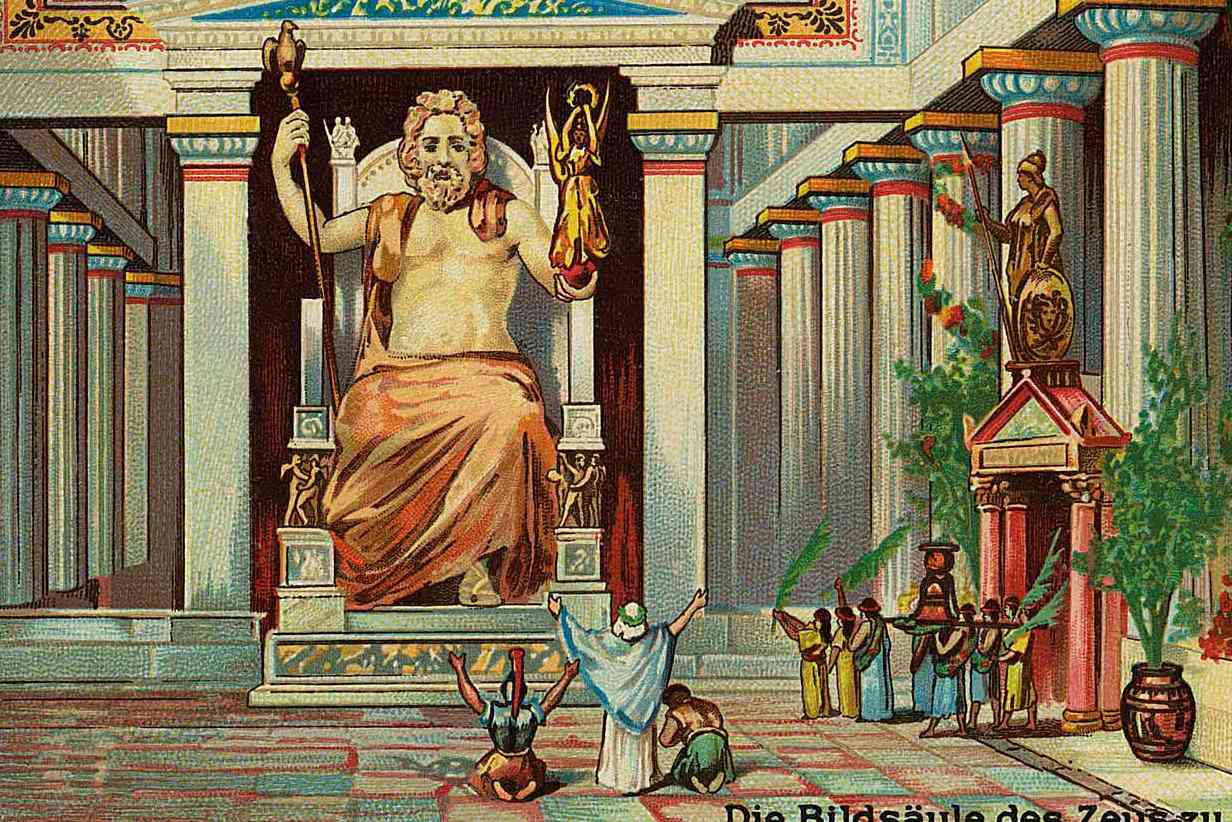
The Seventh Wonder Of The World
- Water Supply: The gardens were known for their advanced irrigation system, which allowed water to be transported from the Euphrates River to the topmost terrace. It is believed that an intricate network of canals and pulleys was used to lift water to each level of the gardens. - Exotic Plants: The Hanging Gardens were said to be filled with a wide variety of exotic plants, including tall trees, flowering shrubs, and colorful flowers. These plants were carefully selected to create a picturesque and vibrant landscape. - Architectural Structures: In addition to the terraces, the gardens were adorned with various architectural structures, such as pavilions, arches, and columns. These structures provided shade and seating areas for visitors to relax and enjoy the beauty of the gardens.
The Hanging Gardens of Babylon
1. Historical Background: The Hanging Gardens of Babylon were built during the reign of King Nebuchadnezzar II, who ruled Babylon from 605 to 562 BCE. It is believed that the gardens were constructed around the 6th century BCE and were dedicated to Nebuchadnezzar's wife, Queen Amytis, who missed the green mountains and lush landscapes of her homeland. 2. Architectural Style: The architectural style of the Hanging Gardens is not well-documented, as no physical remains have been found. However, historical accounts describe the gardens as a series of terraces or platforms that were supported by stone columns or arches. These terraces were filled with soil and planted with a variety of trees, plants, and flowers. 3. Structure and Layout: The exact layout and dimensions of the Hanging Gardens are still a subject of debate among historians and archaeologists. According to ancient accounts, the gardens consisted of a series of ascending terraces, resembling a large stepped pyramid. Each terrace was said to be covered with lush vegetation and had irrigation systems to water the plants. 4. Main Features: 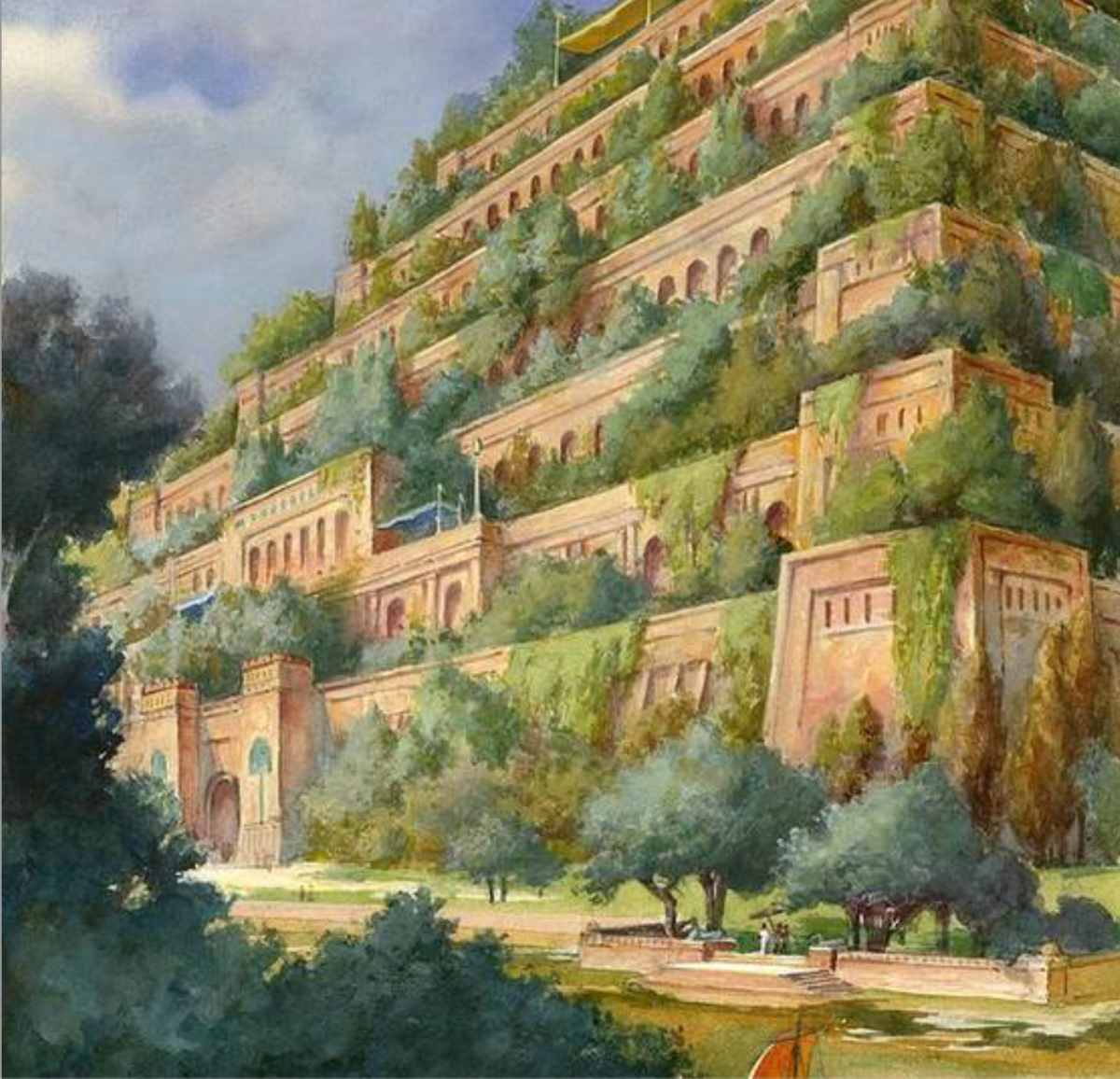
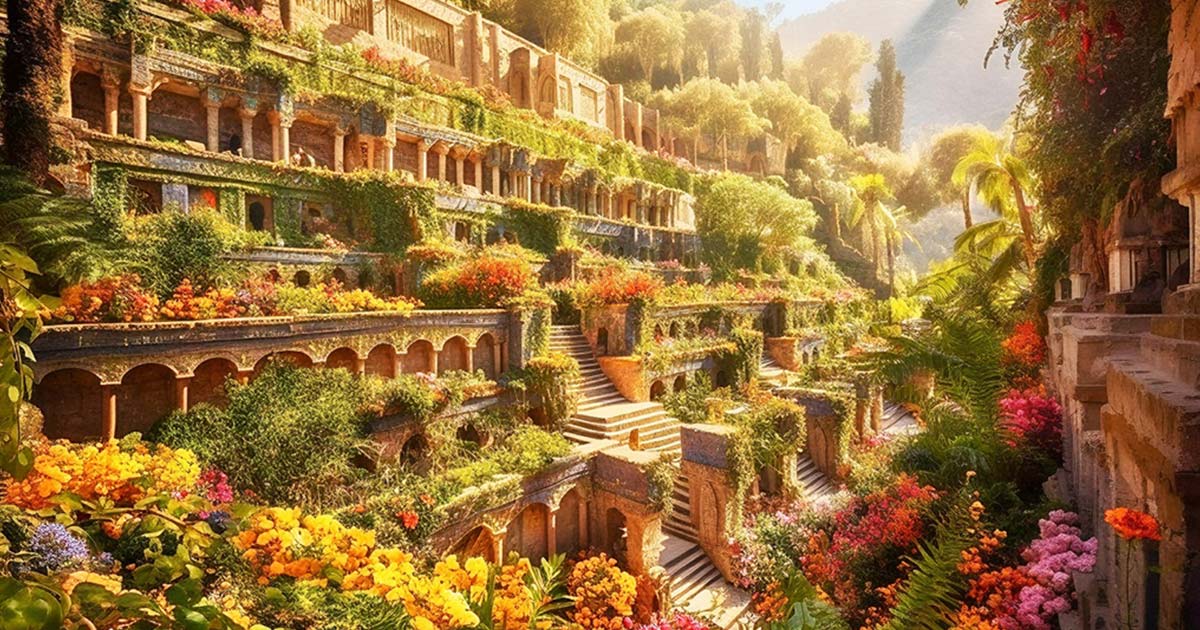
5. Symbolism and Significance: The Hanging Gardens of Babylon were considered a marvel of engineering and a symbol of Babylonian wealth and power. They were often described as a "paradise on Earth" and were visited by travelers from far and wide. The gardens also served as a testament to the advanced knowledge and skills of the Babylonians in areas such as irrigation and horticulture. 6. Disappearance and Controversy: Despite their historical significance, the Hanging Gardens of Babylon have long been lost to history. There is ongoing debate among historians and archaeologists regarding the actual existence and location of the gardens. Some theories suggest that the gardens were purely mythical, while others propose alternative locations within Babylon itself. 
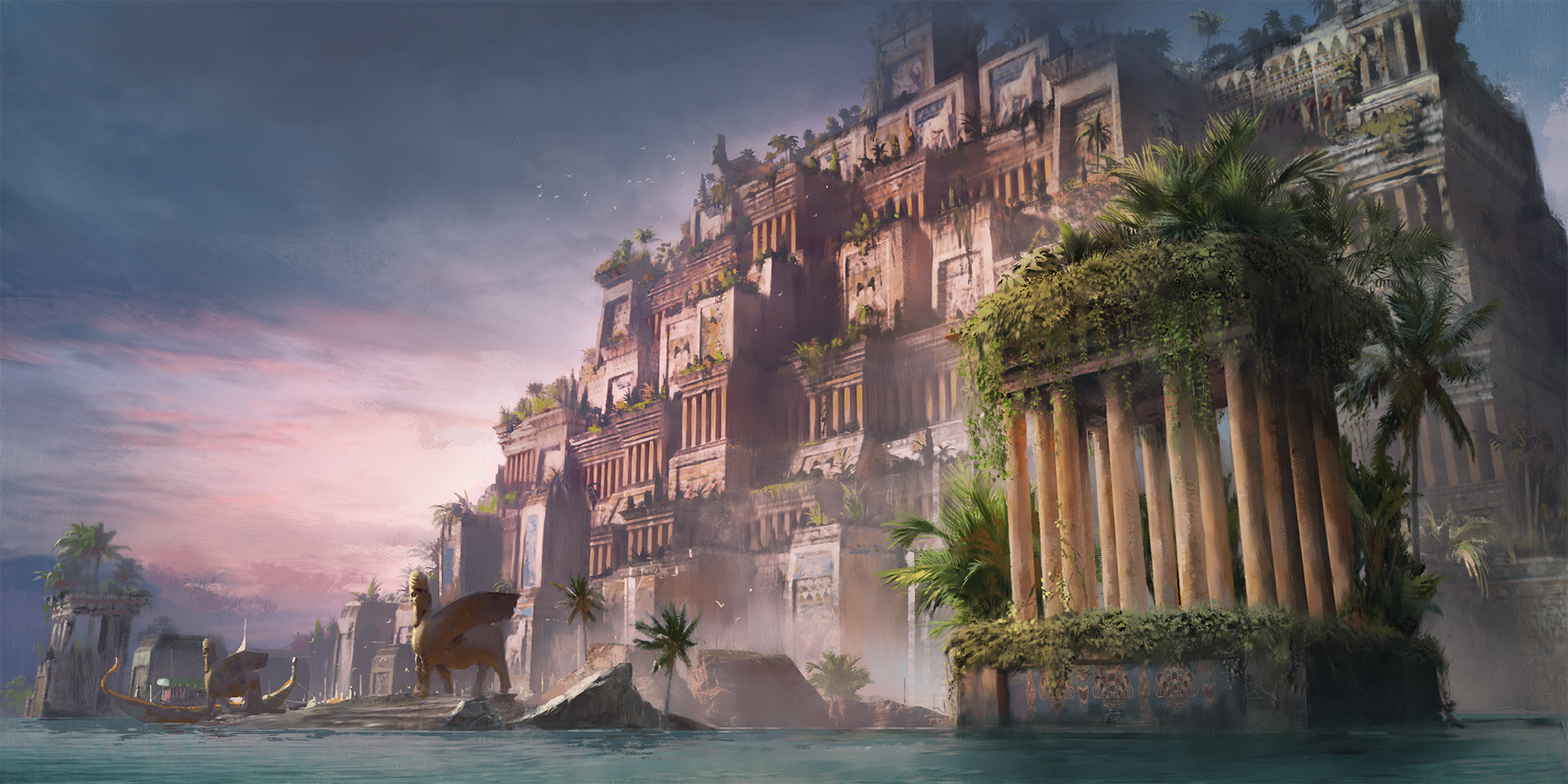
The Sixth Wonder Of The Ancient World
The Statue Of Zeus At Olympia
1. Construction: The statue was sculpted by the renowned Greek sculptor Phidias around 435 BC. It was made of ivory panels that were attached to a wooden framework. Gold and precious stones were used for its decoration. 2. Size and Design: The statue stood approximately 13 meters (43 feet) tall and was sea...