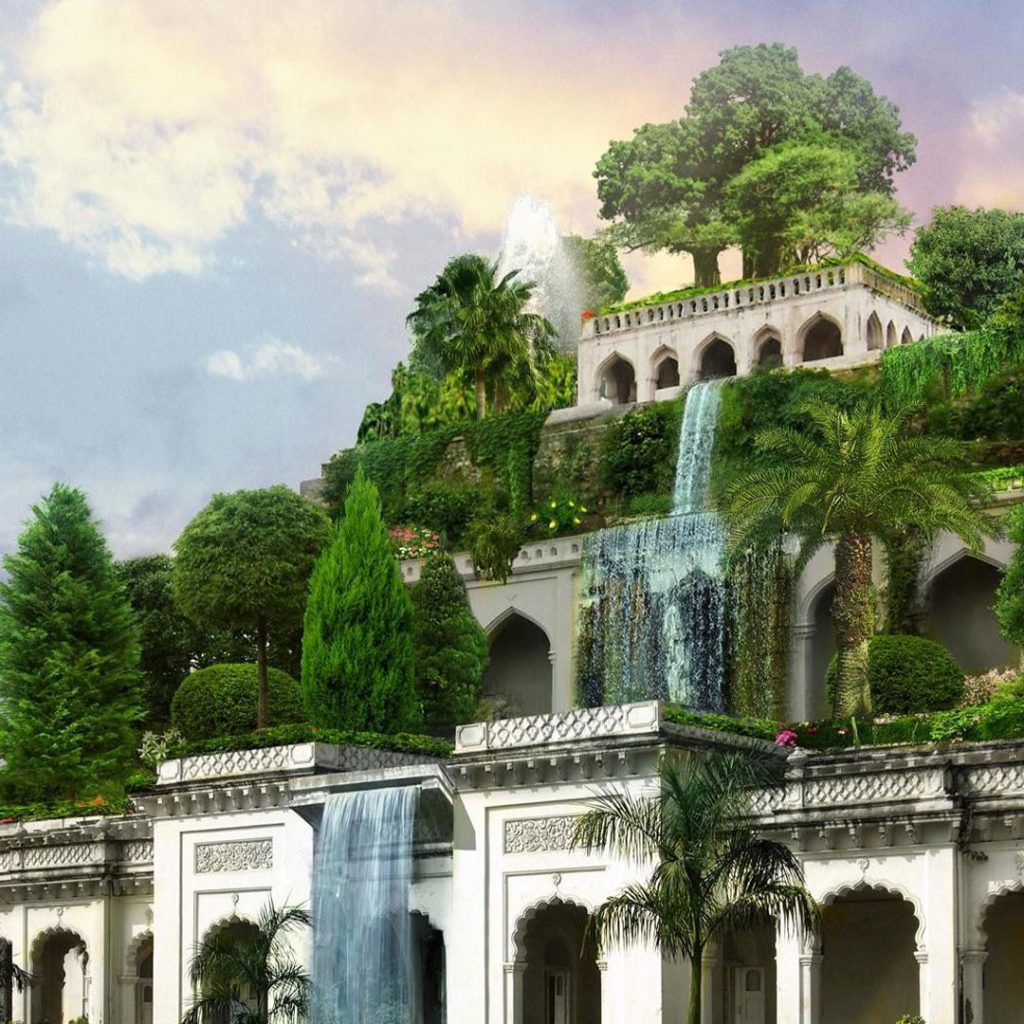
The Fourth Ancient Wonder Of The World
- Sculptural Friezes: The mausoleum was adorned with sculptural friezes that wrapped around the base of the structure. These friezes depicted various mythological scenes and celebrated the achievements and power of Mausolus and Artemisia II. The sculptures were intricately carved and added to the grandeur of the mausoleum. - Statues: The Mausoleum at Halicarnassus was adorned with numerous statues, both freestanding and in relief. These statues depicted gods, goddesses, and various figures from Greek mythology. The most famous statue was a colossal statue of Mausolus and Artemisia II, which stood atop the mausoleum. - Ornate Decorations: The mausoleum was decorated with elaborate carvings, reliefs, and other decorative elements. These decorations showcased the artistic and architectural prowess of the time and added to the overall beauty of the structure.
The Mausoleum at Halicarnassus
1. Historical Background: The Mausoleum at Halicarnassus was located in the ancient city of Halicarnassus, which is now modern-day Bodrum, Turkey. It was built in the 4th century BCE as a tomb for Mausolus, the ruler of Caria, and his wife-sister Artemisia II. Mausolus was a powerful and ambitious ruler who wanted to create a lasting memorial for himself and his wife. 2. Architectural Style: The architectural style of the Mausoleum at Halicarnassus was a blend of Greek, Egyptian, and Persian influences. It was designed by Greek architects Satyros and Pythius, who were commissioned by Mausolus himself. The mausoleum was a masterpiece of ancient architecture and showcased the skills and craftsmanship of the time. 3. Structure and Layout: The Mausoleum at Halicarnassus was a massive structure that stood approximately 135 feet tall. It was built on a rectangular platform and consisted of several levels or tiers. The base of the mausoleum was adorned with sculptural friezes depicting scenes from Greek mythology and the life of Mausolus. The upper levels featured Ionic columns, statues, and a pyramid-shaped roof. 4. Main Features: 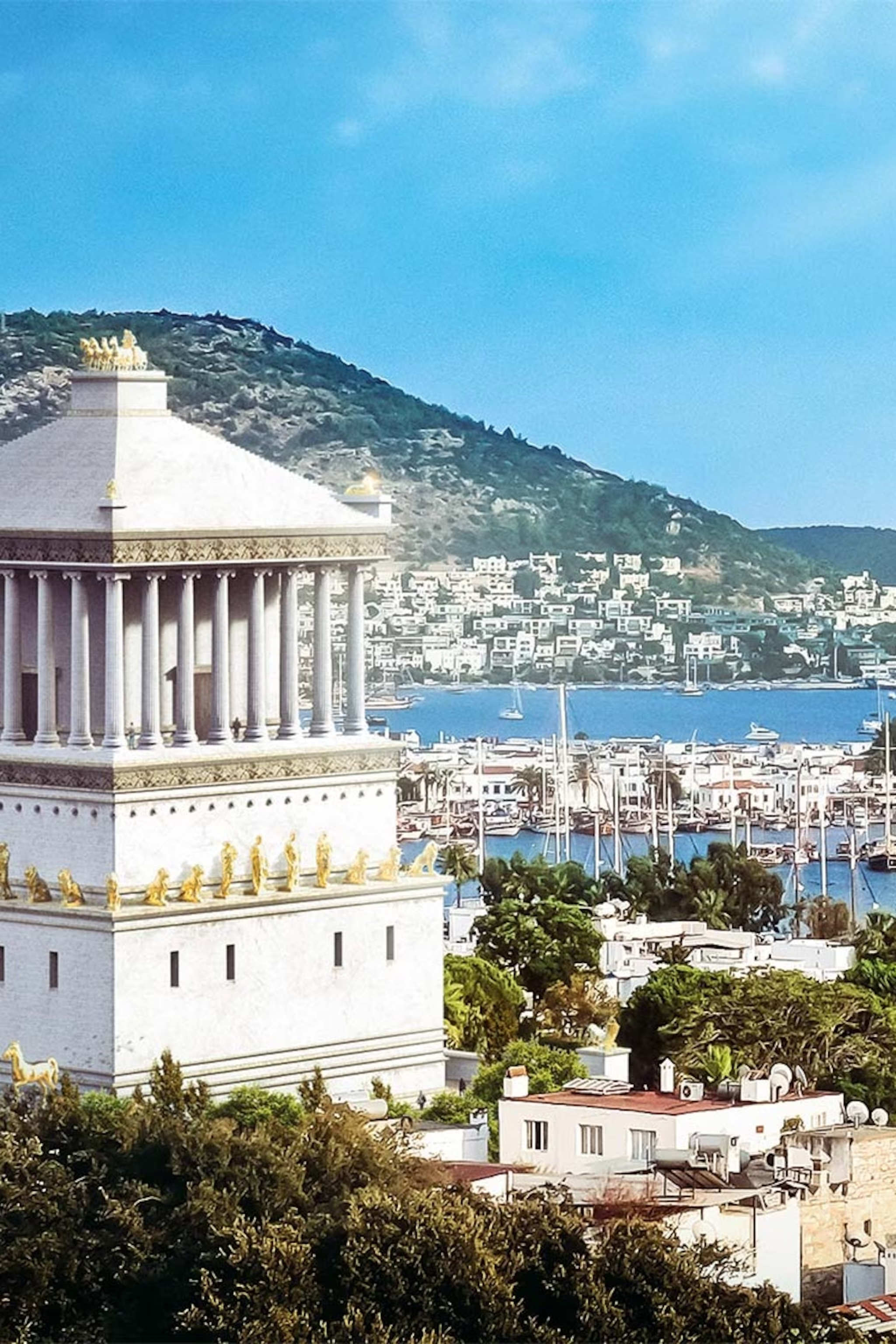
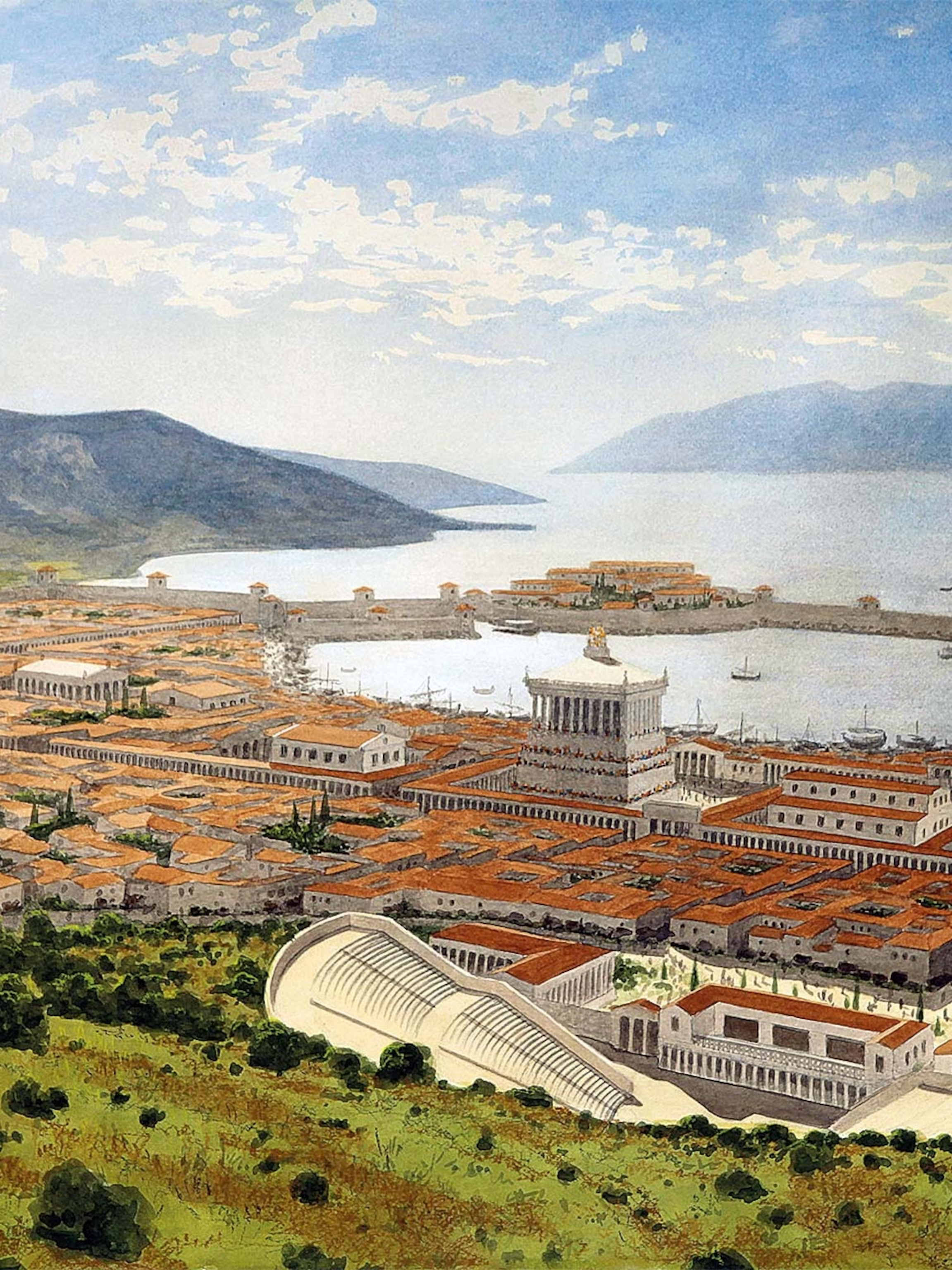
5. Significance and Legacy: The Mausoleum at Halicarnassus was not only a tomb but also a symbol of the power and wealth of Mausolus and his kingdom. It attracted visitors and admirers from all over the ancient world and became a renowned example of ancient Greek architecture. The mausoleum also influenced later architectural styles and became a source of inspiration for many subsequent structures. 6. Destruction and Controversy: The Mausoleum at Halicarnassus faced several destructions throughout its history. It was damaged by earthquakes in the 12th and 15th centuries CE, and its remains were eventually used as building materials for other structures. Today, only fragments of the original mausoleum survive, including some sculptures and reliefs that are now housed in various museums around the world.
The Seventh Wonder Of The World
The Hanging Gardens of Babylon
1. Historical Background: The Hanging Gardens of Babylon were built during the reign of King Nebuchadnezzar II, who ruled Babylon from 605 to 562 BCE. It is believed that the gardens were constructed around the 6th century BCE and were dedicated to Nebuchadnezzar's wife, Queen Amytis, who missed the green mountains and lush landscapes of her homeland. 2. Architectural Style: The architectur...