The Most Infamous Heist
Great Train Robbery
1. Background: - The Great Train Robbery involved the theft of £2.6 million (equivalent to around £53 million today) from a Royal Mail train heading from Glasgow to London. - The robbers targeted the train as it passed through the rural area of Bridego Bridge in Buckinghamshire, where they had tampered with the signals to stop the train. 2. Planning: - The robbery was meticulously planned over several months by a group of 15 robbers led by mastermind Bruce Reynolds. - The robbers rented a farm called Leatherslade Farm to use as their hideout and base of operations for the heist. - They obtained insider information about the train's schedule, composition, and security measures to ensure a successful robbery. 3. Execution: - On the night of the robbery, the gang intercepted the train, overpowered the train driver, and uncoupled the carriage containing the money. - The robbers transferred the cash into waiting vehicles and made their escape, leaving behind evidence that would later help authorities identify them.
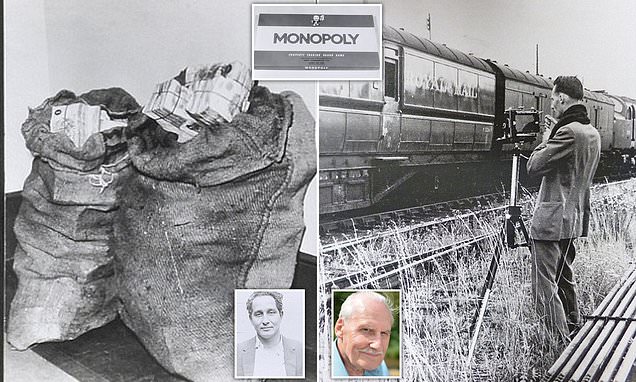

4. Aftermath: - The Great Train Robbery became one of the most sensational crimes in British history, capturing the public's imagination and inspiring numerous books, films, and documentaries. - The robbers managed to evade capture for several months but were eventually apprehended through a combination of police work, informants, and tip-offs. - Many of the robbers were arrested and sentenced to long prison terms, with some escaping and being recaptured later. 5. Legacy: - The Great Train Robbery is often considered a symbol of daring criminality and meticulous planning, with the robbers becoming folk heroes to some segments of society. - The heist led to significant changes in security measures for transporting money by train and raised awareness about the vulnerability of such high-value shipments.
World's Oldest Cat
Creme Puff
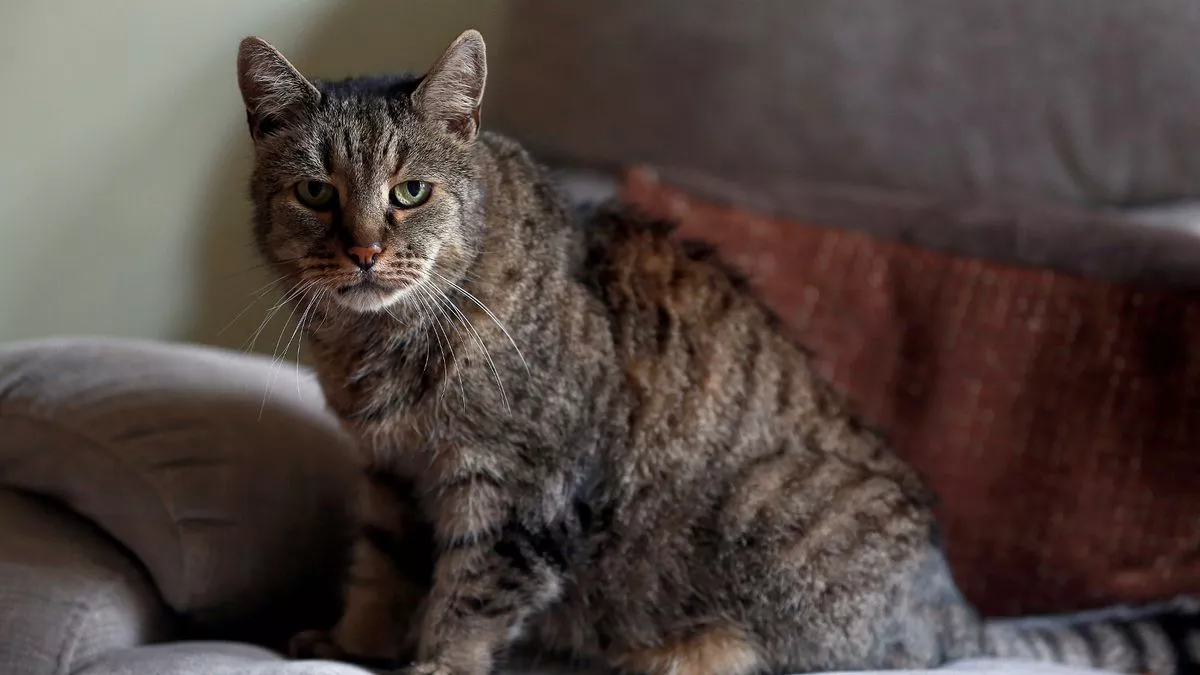
1. Creme Puff was born on August 3, 1967, and lived until August 6, 2005. She lived in Austin, Texas, with her owner, Jake Perry, who also owned Granpa, another cat who lived to be exceptionally old. 2. Creme Puff was a mixed breed cat, primarily part domestic cat. She was raised on a diet of dry cat food, broccoli, eggs, bacon, and coffee with heavy cream. Perry dedicated special care to her diet, potentially contributing to her long life. 3. Creme Puff's longevity can be attributed to genetics, diet, an...