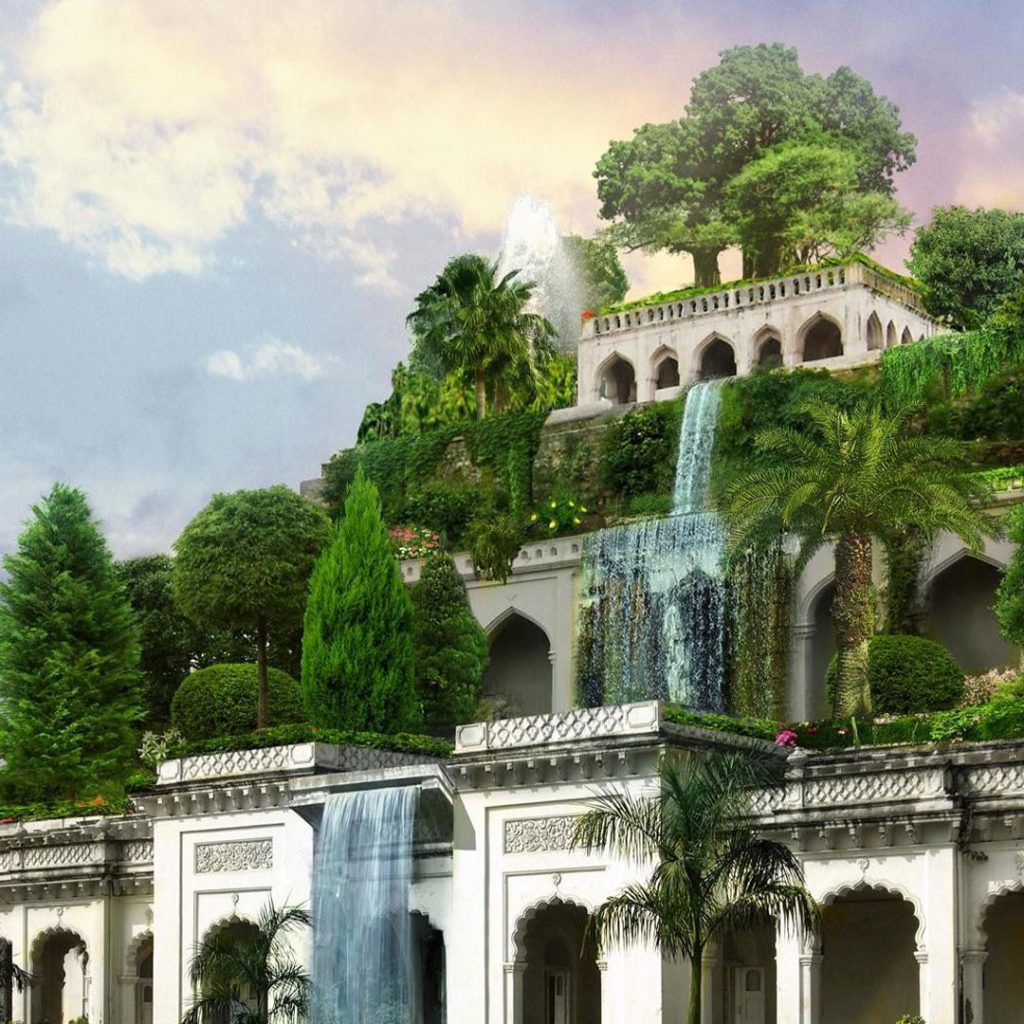
Top Seven Wonders Of The Ancient World
Remarkable Structures
The original list was compiled by various Greek writers, including Antipater of Sidon and Philo of Byzantium, around the 2nd century BC. However, only one of the original wonders, the Great Pyramid of Giza, still exists today. The other six wonders have been lost to time, either destroyed by natural disasters or human actions. 1. The Great Pyramid of Giza: Located in Egypt, this pyramid was built as a tomb for Pharaoh Khufu during the 26th century BC. 2. Colossus of Rhodes: It was one of the tallest statues of the ancient world, but it was toppled by an earthquake around 226 BC. 3. Lighthouse of Alexandria: Located in Alexandria, Egypt, this lighthouse was built around 280 BC to guide ships into the city's harbor. 4. Mausoleum at Halicarnassus: Built in Halicarnassus (now Bodrum, Turkey) during the 4th century BC. 5. Temple of Artemis at Ephesus: Situated in present-day Turkey 6. Statue of Zeus at Olympia: This enormous statue was located in the Temple of Zeus in Olympia, Greece. 7. Hanging Gardens of Babylon: Believed to have been built in the ancient city of Babylon (present-day Iraq), these gardens were a terraced structure filled with lush plants and trees.
While these wonders are no longer standing, their historical significance and architectural achievements continue to captivate people's imaginations. They serve as a testament to the ingenuity and skill of ancient civilizations and remind us of the rich cultural heritage that has shaped our world.
Known By Their Historical Landmarks
The First Wonder Of The World
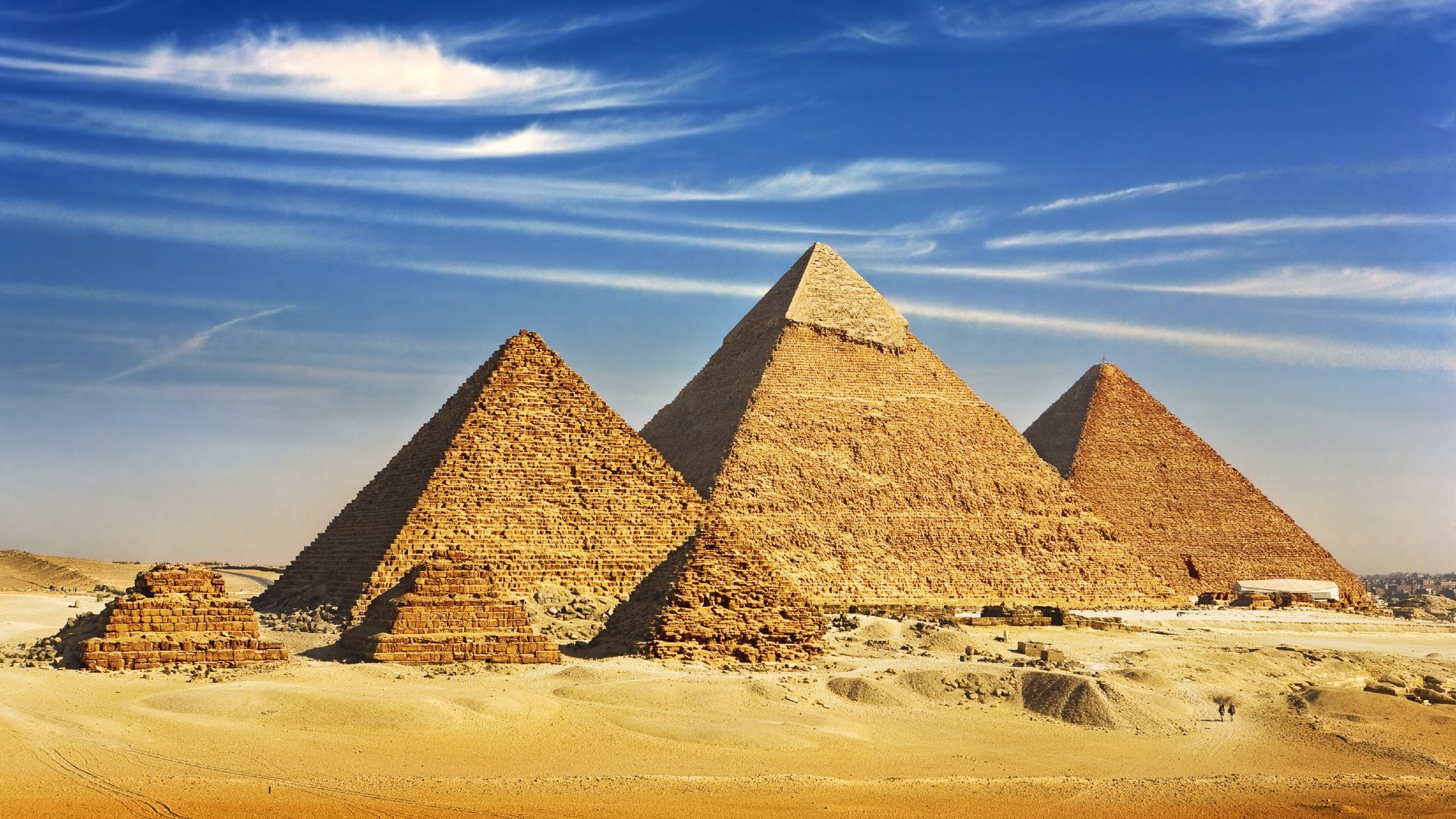
The Great Pyramids Of Egypt
The Great Pyramids of Egypt are monumental structures located on the outskirts of Cairo, Egypt. They were built as tombs for the pharaohs during the Old Kingdom period of Ancient Egypt. Here are some key points about the pyramids:
1. Construction: The three largest pyramids at Giza are
The Second Wonder Of The Ancient World
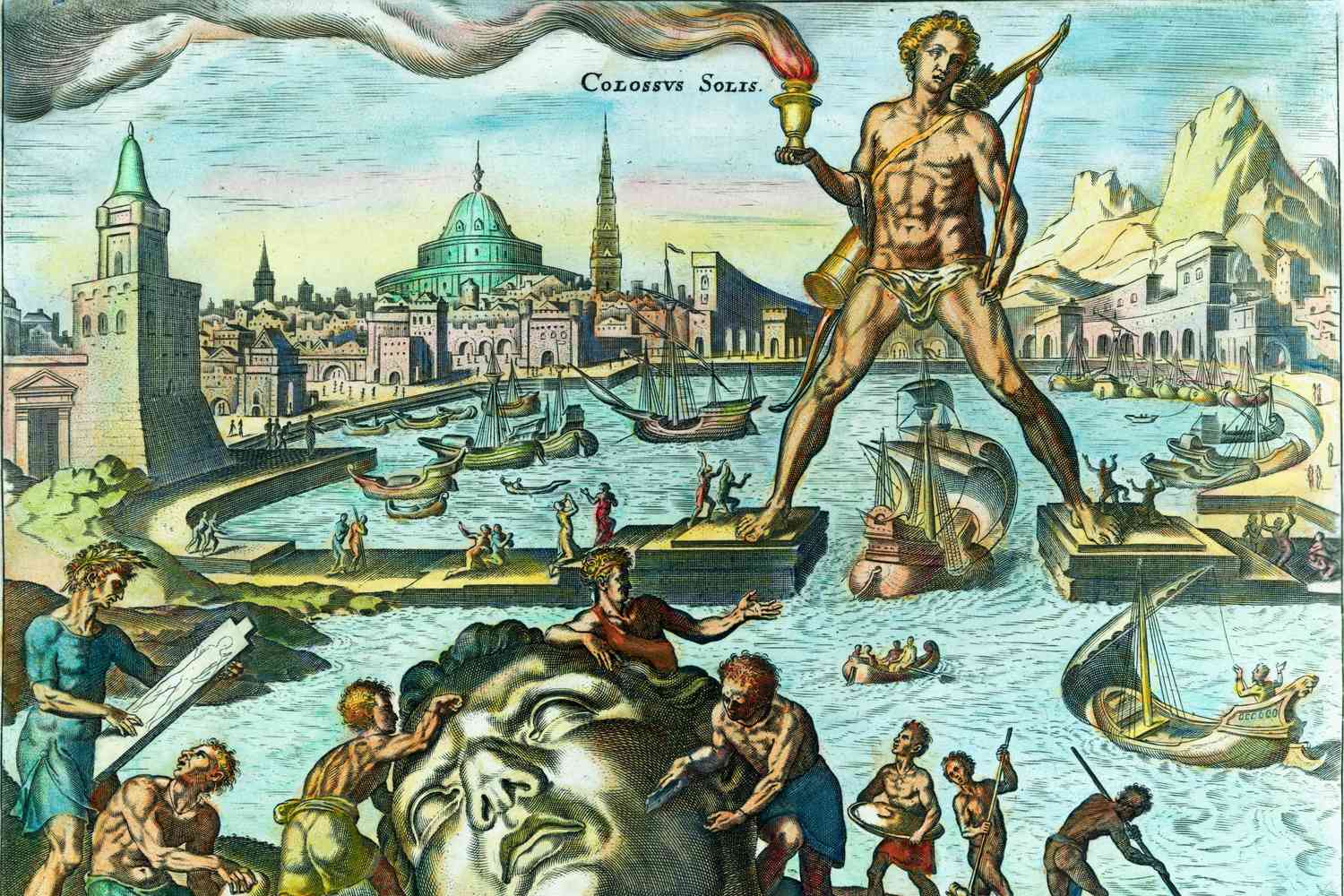
The Colossus Of Rhodes
The Colossus of Rhodes was a gigantic statue of the Greek god Helios, built on the Greek island of Rhodes in the 3rd century BC.
1. Construction: The statue was erected around 280 BC to celebrate Rhodes' victory over Cyprus. Constructed by Chares of Lindos, it took approximately 12 yea
The Third Wonder Of The Ancient World
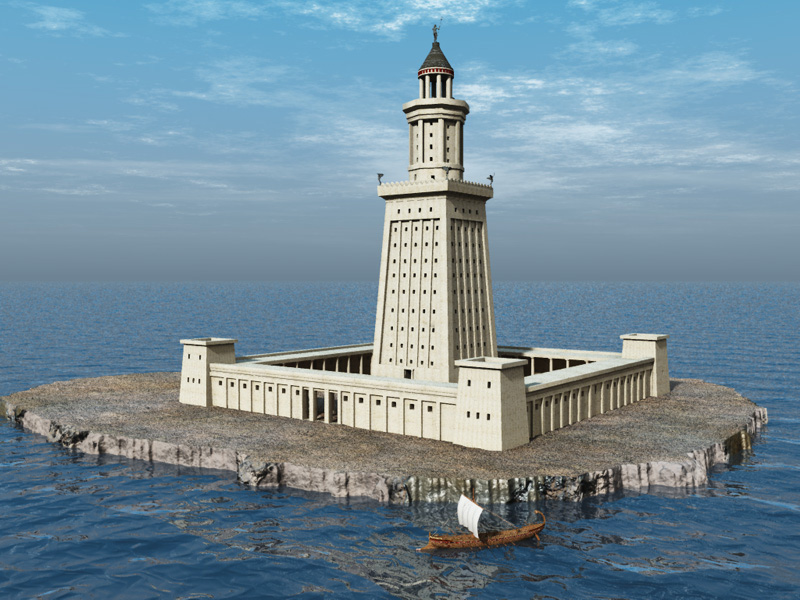
The Lighthouse of Alexandria
1. Historical Background: It was built on the island of Pharos in the city of Alexandria, which was a major center of trade and culture in the ancient world.
2. Architectural Style: The architectural style of the lighthouse was influenced by both Egyptian and Greek traditions. It was designed by
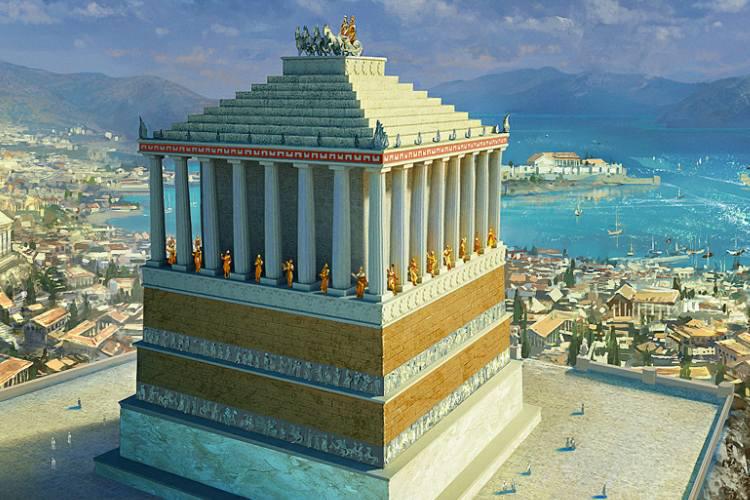
The Fourth Ancient Wonder Of The World
The Mausoleum at Halicarnassus
1. Historical Background: The Mausoleum at Halicarnassus was located in the ancient city of Halicarnassus, which is now modern-day Bodrum, Turkey. It was built in the 4th century BCE as a tomb for Mausolus, the ruler of Caria, and his wife-sister Artemisia II. Mausolus was a powerful and ambitious ruler who
The Fifth Wonder Of The Ancient World
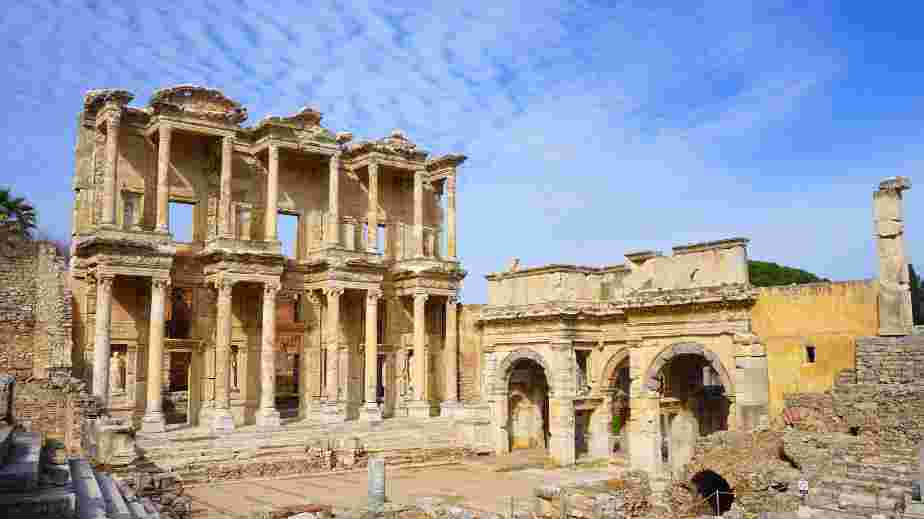
The Temple of Artemis
1. Historical Background: It was built in the 6th century BCE to honor the Greek goddess Artemis, who was the goddess of hunting, wilderness, and fertility. The construction of the temple was commissioned by King Croesus of Lydia and it took several years to complete. 2. Architectural Style: The arch
The Sixth Wonder Of The Ancient World
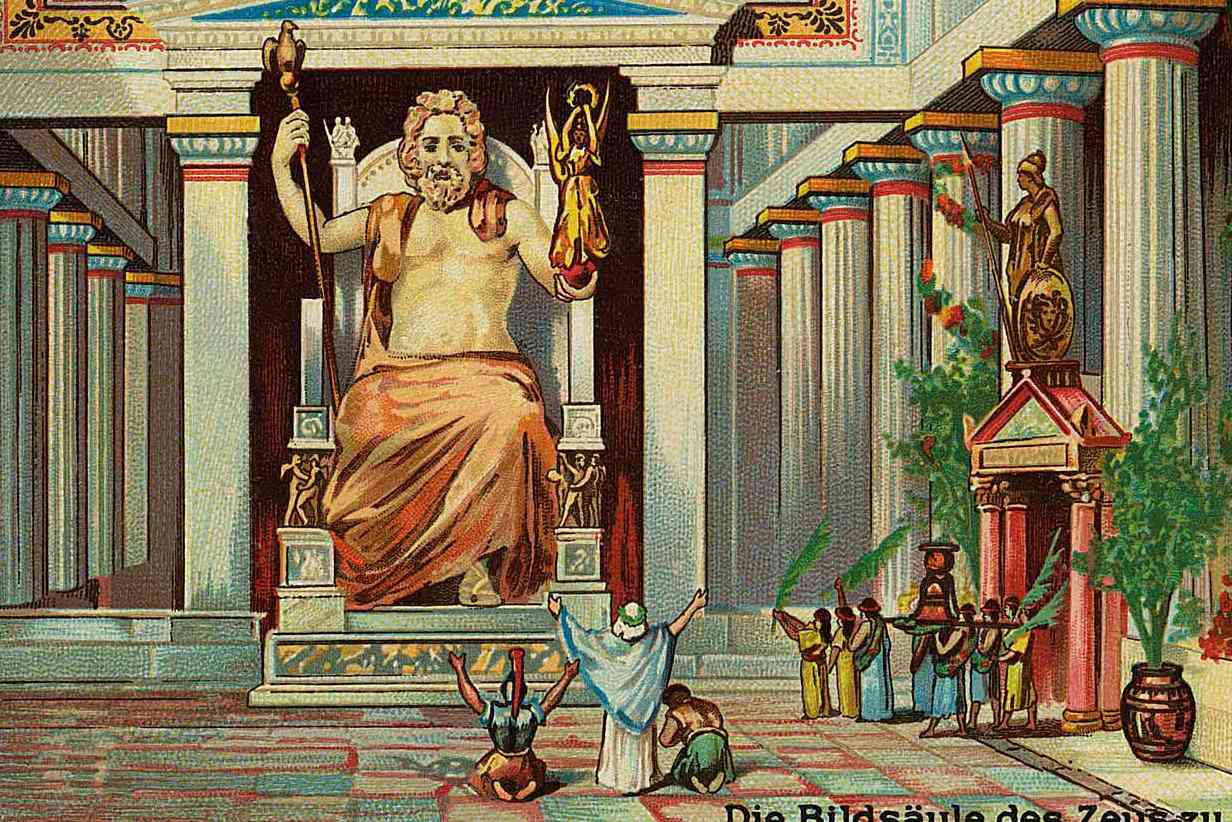
The Statue Of Zeus At Olympia
1. Construction: The statue was sculpted by the renowned Greek sculptor Phidias around 435 BC. It was made of ivory panels that were attached to a wooden framework. Gold and precious stones were used for its decoration. 2. Size and Design: The statue stood approximately 13 meters (43 feet) tall and was se
The Seventh Wonder Of The World
The Hanging Gardens of Babylon
1. Historical Background: The Hanging Gardens of Babylon were built during the reign of King Nebuchadnezzar II, who ruled Babylon from 605 to 562 BCE. It is believed that the gardens were constructed around the 6th century BCE and were dedicated to Nebuchadnezzar's wife, Queen Amytis, who missed the green moun