Wierd Truths
The Skeleton Lake Of India
1. Location and Geography: Roopkund Lake, often referred to as the Skeleton Lake, is situated in the Chamoli district of Uttarakhand, at an altitude of around 5,029 meters (16,499 feet). It is nestled amidst the stunning peaks of the Trisul and Nanda Ghunti mountains, within the Nanda Devi National Park. 2. Discovery of the Skeletons: In 1942, a British forest guard made a startling discovery at Roopkund Lake. He stumbled upon hundreds of human skeletons scattered around the lake's edges and even found some at its bottom. This led to its macabre nickname, the Skeleton Lake. 3. Mysteries and Speculations: The presence of so many human skeletons at Roopkund Lake has led to numerous theories and speculations over the years. Initially, it was believed that the remains belonged to Japanese soldiers who died during World War II. However, subsequent studies using carbon dating techniques found that the skeletons date back to around the 9th century CE. 4. Origin of the Skeletons: The actual origin of the skeletons at Roopkund is still a subject of debate among researchers. Through various scientific endeavors, it has been suggested that the remains may be those of pilgrims or an ancient trade caravan that met with a fatal hailstorm or blizzard. The latest studies suggest a relation to a local group called the "Kankepatawalas."
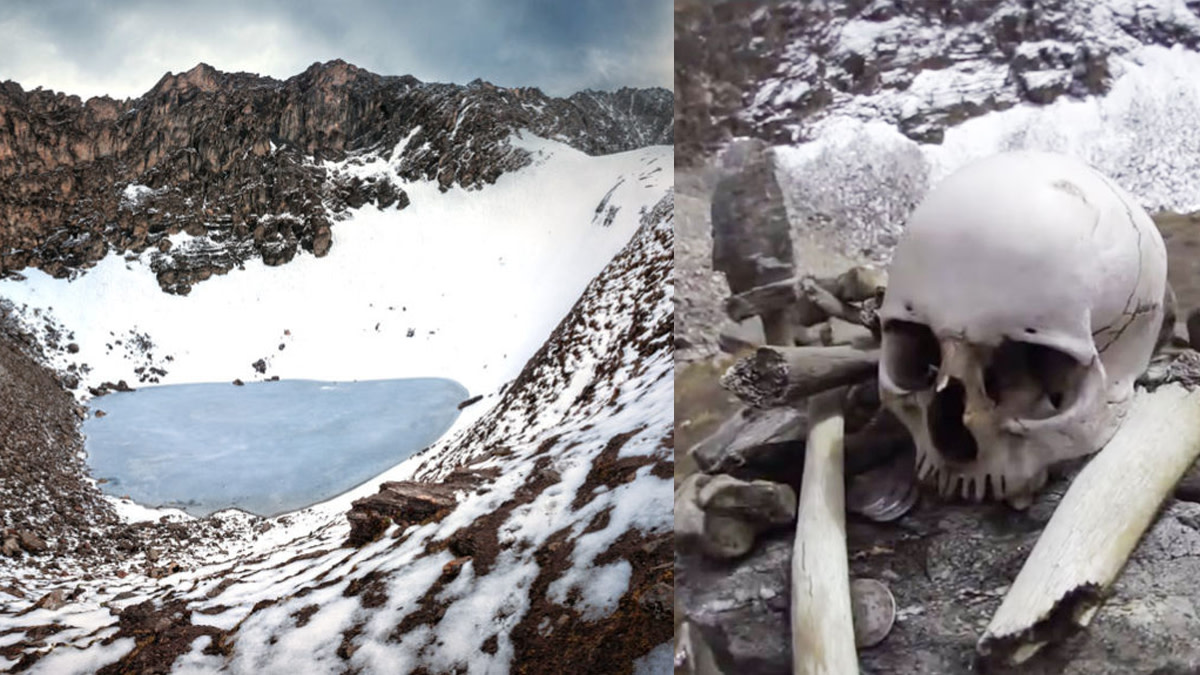
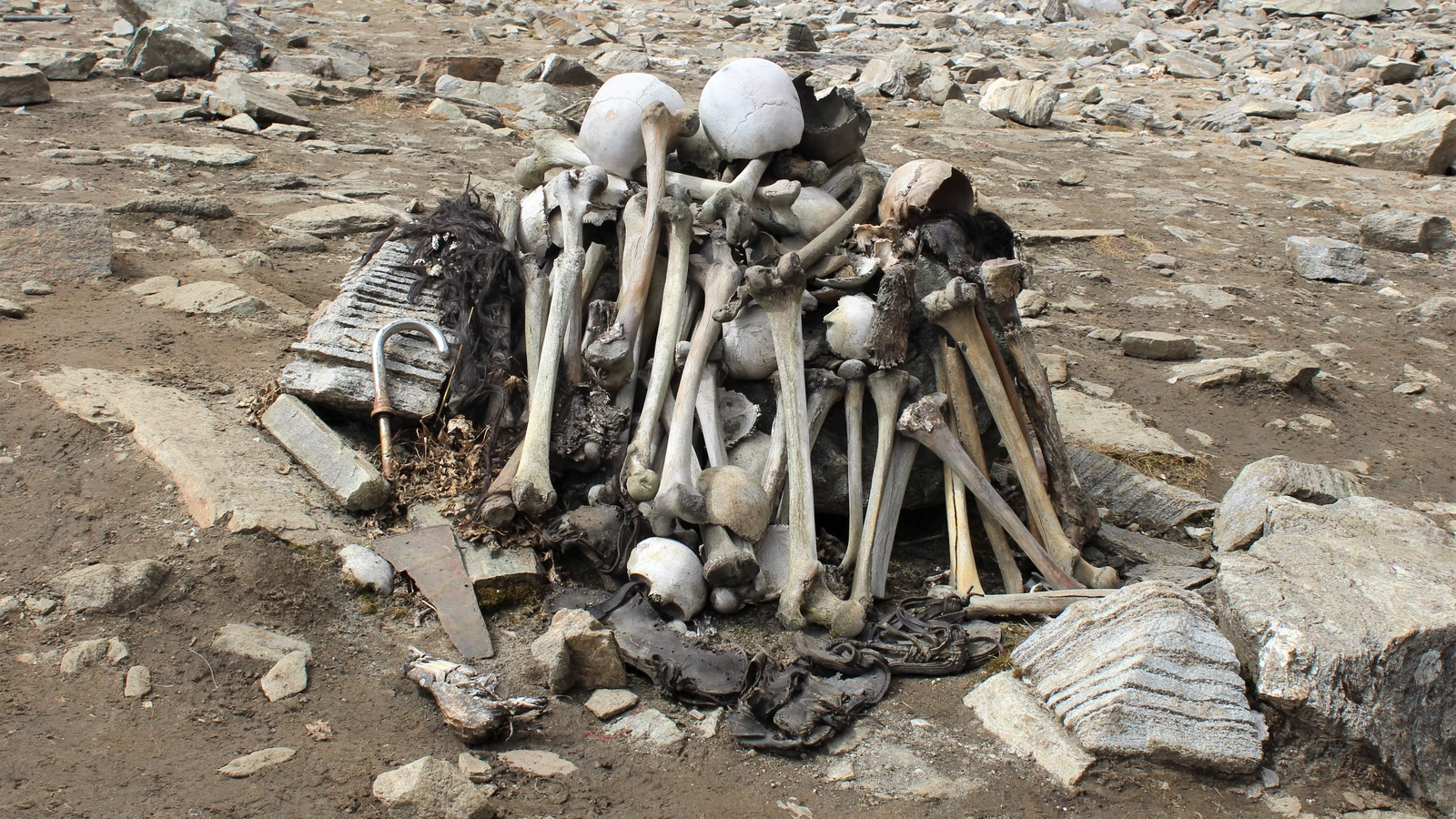
5. Unique Preservation: The skeletons found at Roopkund are well-preserved due to the cold temperatures and the shallow depth of the lake. The lake's icy conditions have prevented the normal decomposition of the bodies, leaving behind a unique and eerie sight for explorers and researchers. 6. Expeditions and Tourism: The Skeleton Lake has attracted numerous adventurers, trekkers, and researchers who wish to unravel the mysteries surrounding the skeletal remains. Roopkund is a popular trekking destination, known for its challenging trails, beautiful landscapes, and, of course, the enigmatic skeletons. 7. Environmental Preservation: In recent years, there has been growing concern about the impact of tourism on the ecosystem around Roopkund Lake. To preserve the environment and prevent further damage, the Indian government has implemented regulations and restrictions on trekking and camping activities in the region.
The Fifth Wonder Of The Ancient World
The Temple of Artemis
1. Historical Background: It was built in the 6th century BCE to honor the Greek goddess Artemis, who was the goddess of hunting, wilderness, and fertility. The construction of the temple was commissioned by King Croesus of Lydia and it took several years to complete. 2. Architectural Style: Th...