America's Iconic Symbol
The Statue Of Liberty
1. History: The Statue of Liberty, also known as "Liberty Enlightening the World," was a gift from France to the United States. It was designed by French sculptor Frédéric Auguste Bartholdi and its metal framework was built by Gustave Eiffel. The statue was dedicated on October 28, 1886, and it has since become a symbol of hope and opportunity for immigrants coming to America. 2. Design and Symbolism: The statue is a colossal neoclassical sculpture, standing at a height of 305 feet (including its pedestal). It depicts a female figure representing Libertas, the Roman goddess of freedom, holding a torch in her right hand and a tablet in her left hand. The tablet bears the date July 4, 1776, symbolizing the signing of the U.S. Declaration of Independence. 3. Torch and Crown: The statue's torch is held high above her head, representing enlightenment and the path to liberty. The crown features seven spikes, which represent the seven continents and seven seas of the world, signifying the global reach of freedom and democracy. 4. Construction: The statue's internal framework is made of iron and steel, while the exterior is covered in copper sheets. The statue was assembled in France, then disassembled and shipped to the United States in 350 individual pieces. It was reassembled on Liberty Island and mounted on a pedestal designed by American architect Richard Morris Hunt.


5. Symbol of Immigration: The Statue of Liberty has long been associated with immigration and is often the first landmark seen by immigrants arriving in New York Harbor. The statue served as a symbol of welcome and a beacon of hope for millions of immigrants seeking a better life in America during the late 19th and early 20th centuries. 6. National Monument: In 1924, the Statue of Liberty was designated as a National Monument and is now under the jurisdiction of the National Park Service. It attracts millions of visitors each year, who can take a ferry to Liberty Island and climb to the statue's pedestal or, with a reservation, even to the crown for a breathtaking view of New York City. 7. Restoration and Preservation: The statue underwent a major restoration project for its centennial celebration in 1986. The copper exterior was cleaned and repaired, and the interior was reinforced. Ongoing maintenance and preservation efforts continue to ensure the longevity of this iconic monument.
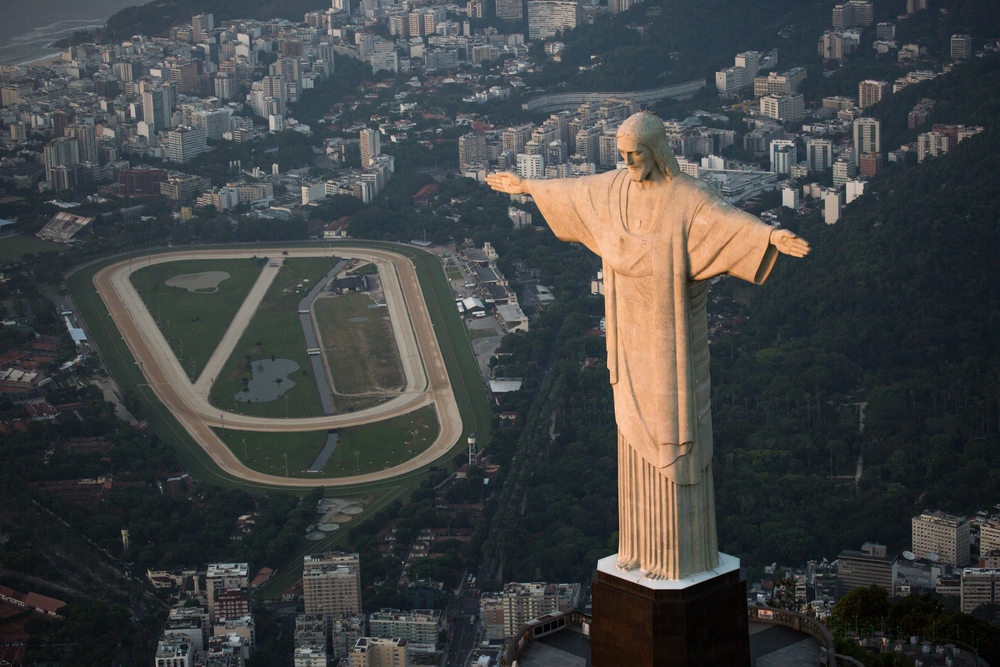
Famous Brazilian Catholic Statue
Christ The Redeemer
1. Historical Background: Christ the Redeemer was built in the early 20th century as a symbol of Christianity and a tribute to Brazil's Catholic heritage. The idea for the statue was first proposed in the 1850s, but it was not until the early 20th century that the project gained tracti...