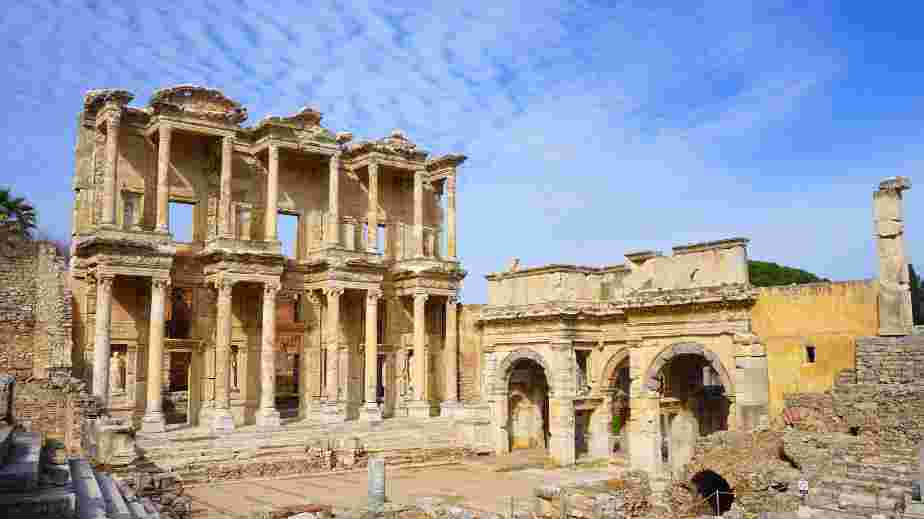
The Sixth Wonder Of The Ancient World
The Statue Of Zeus At Olympia
1. Construction: The statue was sculpted by the renowned Greek sculptor Phidias around 435 BC. It was made of ivory panels that were attached to a wooden framework. Gold and precious stones were used for its decoration. 2. Size and Design: The statue stood approximately 13 meters (43 feet) tall and was seated on a magnificent throne. It depicted Zeus, the king of the Greek gods, holding a scepter in his left hand and a statue of Nike, the goddess of victory, in his right. 3. Significance: The Statue of Zeus served as a religious and cultural symbol, emphasizing the power and majesty of the Greek god Zeus. It represented the wealth and artistic achievements of the ancient Greeks.
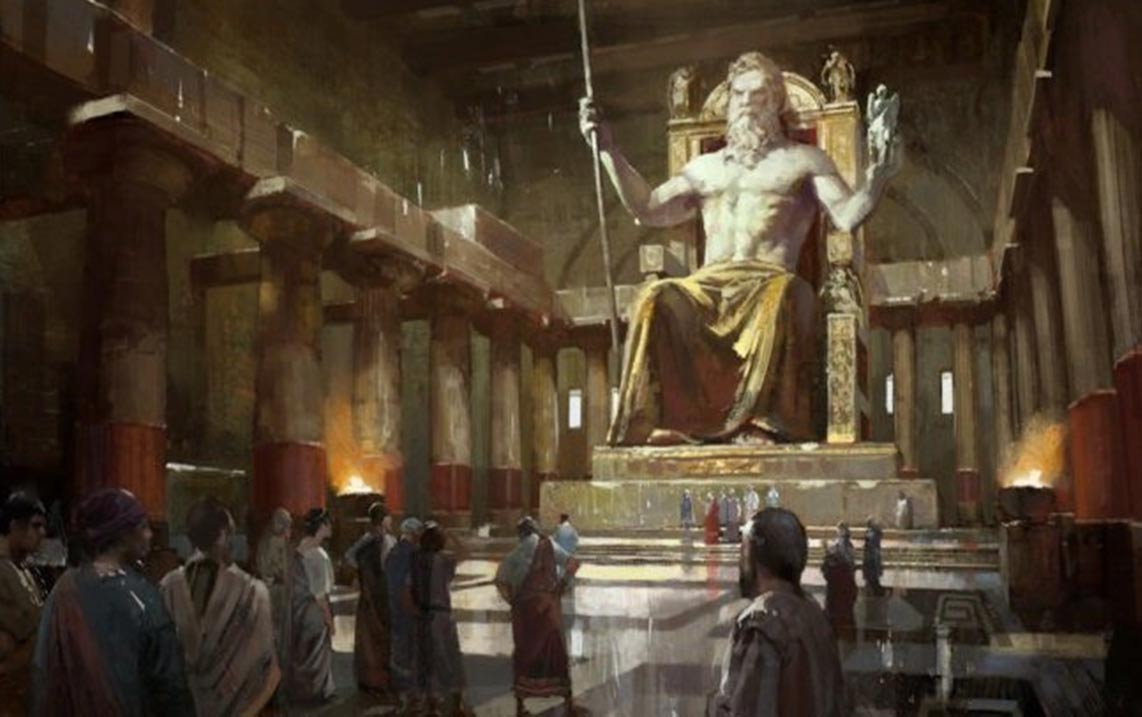
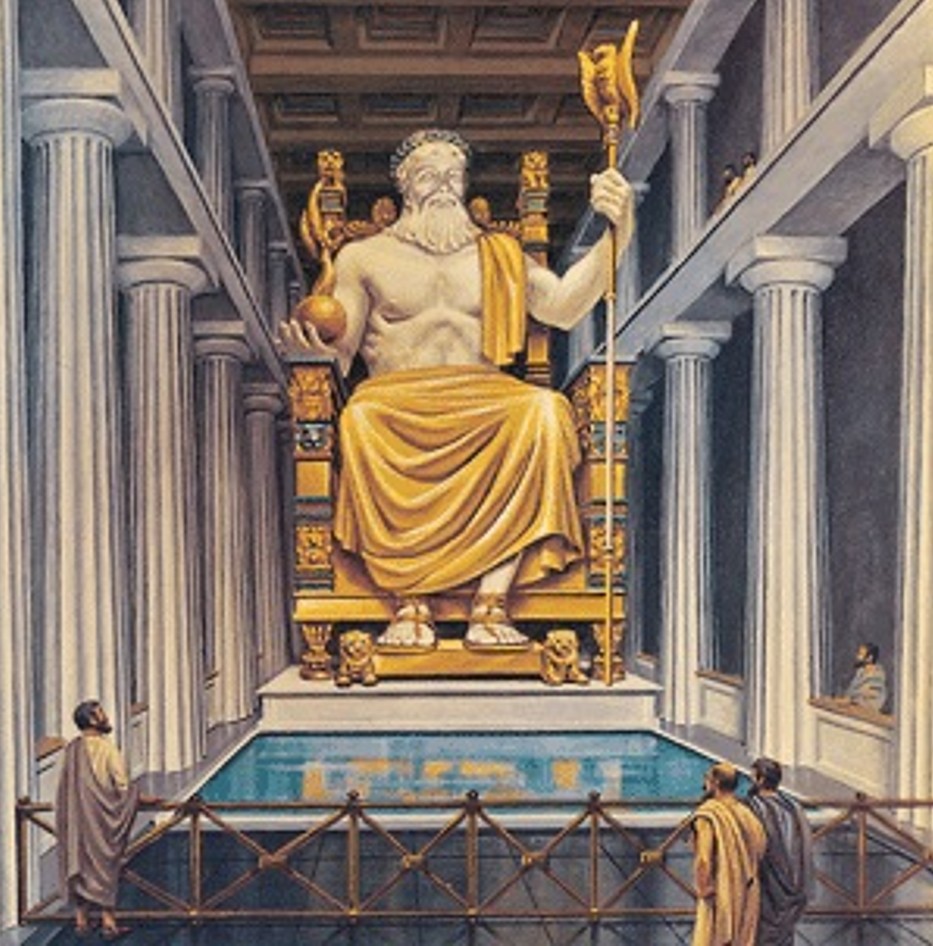
4. Destruction: Unfortunately, the fate of the Statue of Zeus at Olympia was tragic. It was destroyed in a fire that ravaged the Temple of Zeus in 426 AD. The materials used in its construction were highly valuable and likely contributed to its destruction. 5. Legacy: Although the original statue no longer exists, its impact on art and culture cannot be understated. The image of Zeus as a powerful and authoritative figure influenced later depictions of gods and rulers in art.
The Fifth Wonder Of The Ancient World
The Temple of Artemis
1. Historical Background: It was built in the 6th century BCE to honor the Greek goddess Artemis, who was the goddess of hunting, wilderness, and fertility. The construction of the temple was commissioned by King Croesus of Lydia and it took several years to complete. 2. Architectural Style: The architec...