Masterpiece of Mughal Architecture
- The Main Mausoleum: The central focus of the Taj Mahal is the mausoleum itself, which houses the tombs of Shah Jahan and Mumtaz Mahal. The main dome, reaching a height of 73 meters (240 feet), is surrounded by four smaller domes at its corners. - Minarets: Four tall minarets stand at each corner of the platform supporting the main dome. These minarets are designed to lean slightly outward to prevent them from falling onto the main structure in case of an earthquake. - Decorative Elements: The Taj Mahal is adorned with intricate carvings, calligraphy, and inlaid precious and semi-precious stones. Floral motifs, geometric patterns, and verses from the Quran can be found throughout the building.
The Taj Mahal
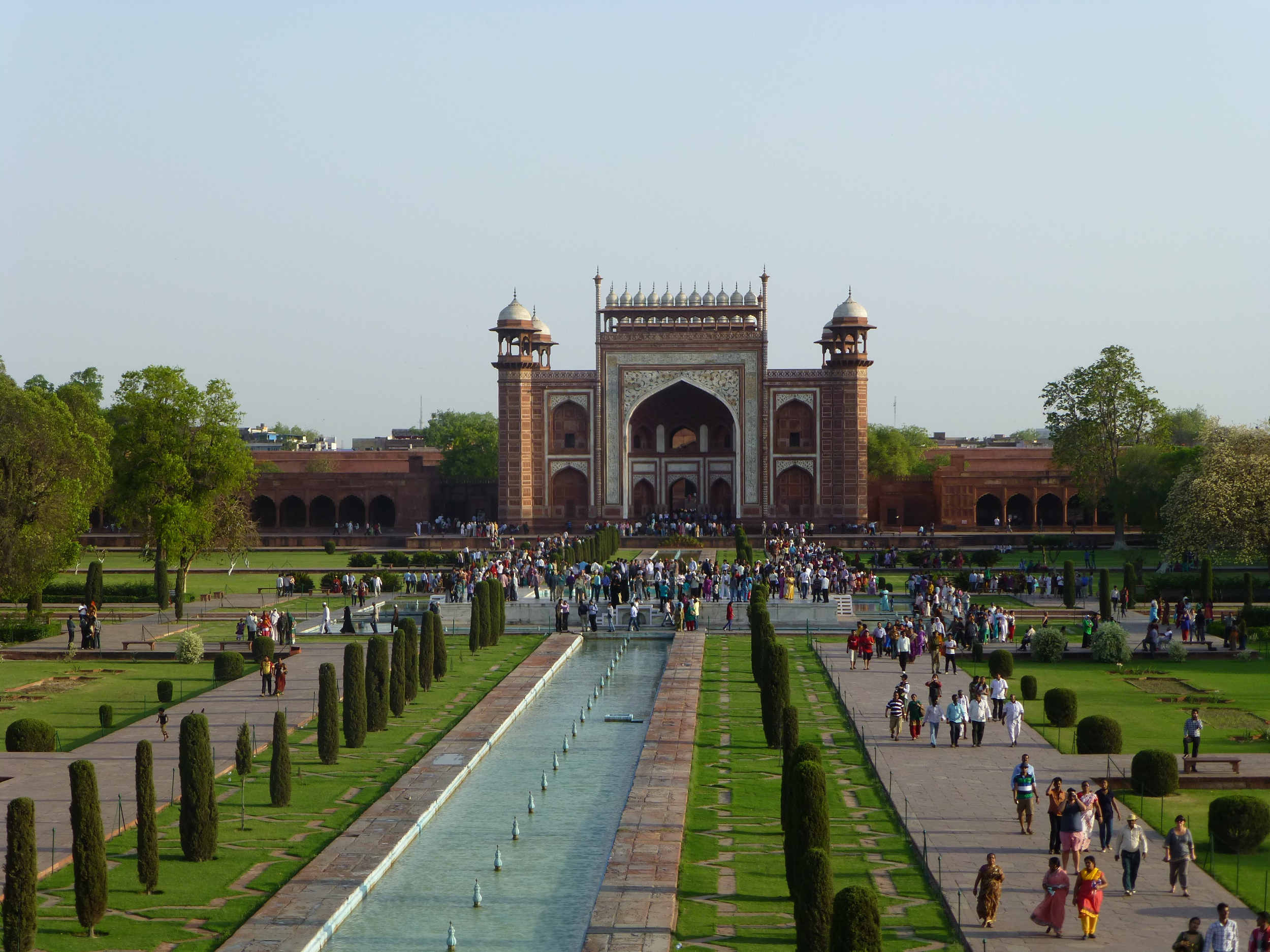
1. Historical Background: The Taj Mahal was commissioned by Mughal Emperor Shah Jahan in 1632 as a mausoleum for his beloved wife, Mumtaz Mahal, who died during childbirth. Construction of the Taj Mahal took approximately 22 years to complete and involved thousands of artisans, architects, and workers. 2. Architectural Style: The Taj Mahal is a perfect blend of various architectural styles, including Persian, Islamic, and Indian influences. It is primarily built using white marble, which gives it its iconic appearance. The structure consists of several key elements, including a large central dome, minarets, gardens, and intricate decorative details. 3. Structure and Layout: The Taj Mahal complex covers an area of approximately 42 acres and is enclosed by a high red sandstone wall. The main entrance gate, known as the Darwaza-i-Rauza, leads to the Charbagh garden, divided into four quadrants by water channels. At the center of the garden stands the Taj Mahal itself, with the Yamuna River flowing behind it. 4. Main Features: 
5. Symbolism and Significance: The Taj Mahal is not only a symbol of love but also a testament to the grandeur and power of the Mughal Empire. It is recognized as a UNESCO World Heritage Site and attracts millions of visitors from around the world each year. The monument has also been featured in numerous films, literature, and artworks, further enhancing its global recognition. 6. Conservation and Preservation: Over the years, the Taj Mahal has faced various threats, including air pollution, environmental degradation, and discoloration due to aging. To preserve its beauty, several conservation efforts have been undertaken by the Indian government and international organizations. Strict regulations are in place to control pollution levels in the surrounding area.
The Fourth Ancient Wonder Of The World
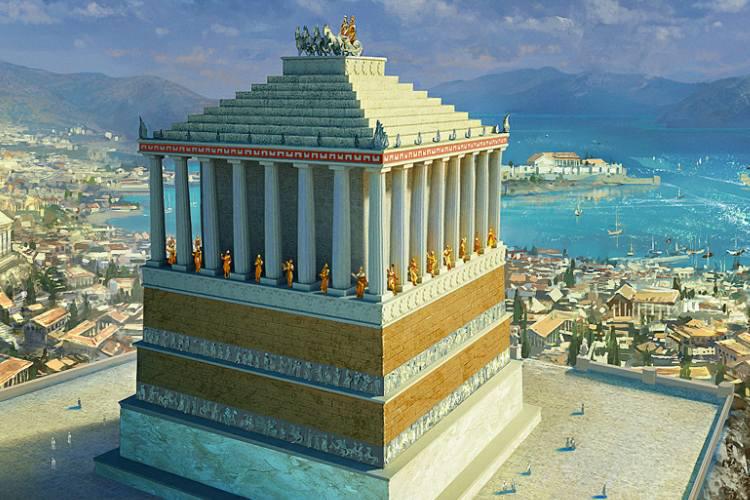
The Mausoleum at Halicarnassus
1. Historical Background: The Mausoleum at Halicarnassus was located in the ancient city of Halicarnassus, which is now modern-day Bodrum, Turkey. It was built in the 4th century BCE as a tomb for Mausolus, the ruler of Caria, and his wife-sister Artemisia II. Mausolus was a powerful and ambitious ruler who wanted to create a lasting memorial for himself a